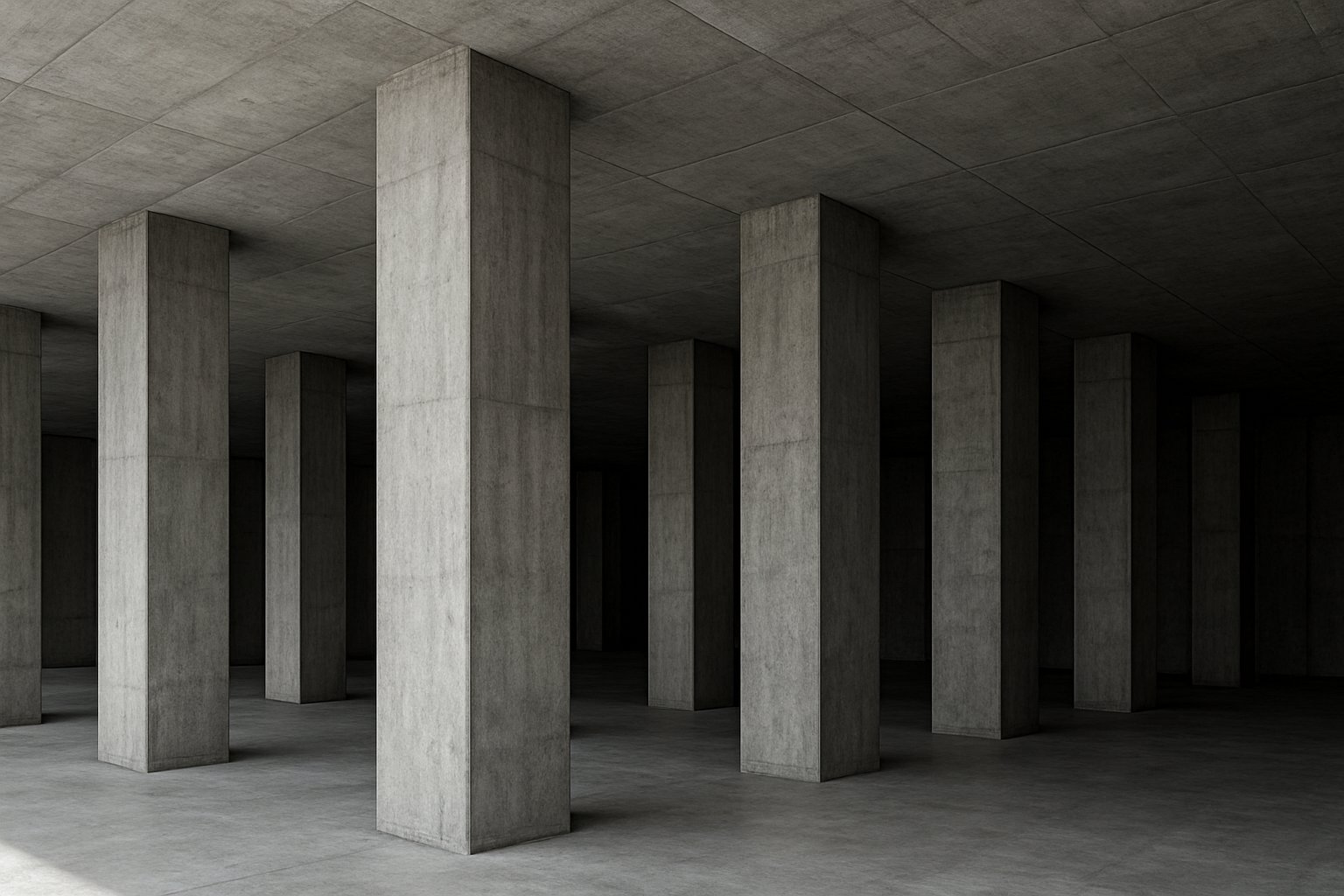
Introduction to Concrete Columns
Concrete columns are the unsung heroes of structural design. They stand tall, bearing weight and providing essential support to buildings and bridges alike. Yet, despite their crucial role in construction, many people know little about these robust structures.
Whether you’re a seasoned architect or a curious homeowner considering renovations, understanding concrete columns is vital. This guide will take you through everything you need to know—from types and design factors to construction techniques and maintenance tips. Get ready to dive into the world of concrete columns and discover how they can enhance stability and aesthetics in your projects!
Types of Concrete Columns
Concrete columns come in various types, each tailored for specific structural needs. The most common type is the rectangular column, often used in commercial buildings due to its versatility and strength.
Circular columns are another popular choice. Their design allows for smooth load distribution and can enhance aesthetic appeal. These are frequently seen in bridges and high-rise structures.
Then there are tapered columns, which narrow at the top. This design not only saves material but also reduces lateral forces during strong winds or earthquakes.
For specialized applications, you might encounter composite columns that combine concrete with steel or other materials. This blend enhances durability while maintaining a lightweight structure suitable for modern designs.
Pre-stressed concrete columns offer added resilience by using tensioning techniques before placing loads on them. They’re ideal for areas requiring extra support without increasing size.
Factors to Consider in Designing Concrete Columns
When designing concrete columns, several key factors come into play. First, the load-bearing capacity is crucial. Understanding how much weight the column must support ensures safe and effective design.
Next, consider the dimensions of the column. Height and diameter impact stability and strength. It’s essential to strike a balance between aesthetics and functionality.
The environmental conditions also matter. Factors like moisture levels or potential exposure to chemicals can influence material selection.
Additionally, reinforcement choices should not be overlooked. Steel bars or mesh enhance durability and prevent cracking under stress.
Building codes dictate certain standards that must be adhered to during construction. Compliance with these regulations is vital for safety and structural integrity in any project involving concrete columns.
Construction Process and Techniques for Concrete Columns
Constructing concrete columns involves several critical steps that ensure durability and stability. First, the site must be prepared. This includes clearing the area and establishing a solid foundation.
Next comes formwork installation. The forms shape the wet concrete and support it until it hardens. They can be made from wood, metal, or plastic, depending on project requirements.
Once forms are in place, reinforcing steel bars (rebar) are added for strength. Proper placement of rebar is crucial to avoid weak points in the column.
After reinforcement, it’s time for pouring the concrete mix. It’s essential to choose a high-quality mix that meets structural demands.
Curing plays a vital role in ensuring strength over time. Curing methods may vary but often include covering with wet burlap or applying curing compounds to retain moisture during hardening phases.
Common Issues and Solutions for Concrete Column Construction
Concrete column construction can present several challenges. One of the most common issues is cracking. This often occurs due to improper curing or temperature changes during hardening. To mitigate this, ensure that proper curing methods are applied and consider using additives for temperature control.
Another issue is inadequate load-bearing capacity. Columns may not perform as expected if designed without considering all loads they will bear. Engaging a structural engineer early in the design phase helps to assess these factors accurately.
Water infiltration can also become problematic over time, leading to corrosion of reinforcing steel within the columns. Applying protective sealants during construction and regular inspections afterward can help prevent damage.
Alignment problems may arise during installation, affecting overall structural integrity. Using precise measurement tools and experienced laborers ensures accurate placement from the start, reducing future complications significantly.
Advantages and Disadvantages of Using Concrete Columns
Concrete columns offer several advantages that make them a popular choice in construction. They provide exceptional strength and durability, able to withstand heavy loads and harsh weather conditions. This longevity means lower maintenance costs over time.
On the flip side, concrete can be susceptible to cracking if not mixed or cured properly. Repairs can be costly and labor-intensive, which may deter some builders.
Another aspect is the thermal mass properties of concrete columns, which help regulate indoor temperatures but can also lead to heat retention issues in warmer climates.
Aesthetically speaking, while concrete provides a modern look, it might lack the warmth of materials like wood for certain architectural styles.
Understanding these pros and cons helps guide informed decisions when selecting materials for structural support systems such as concrete columns.
Tips for Maintaining Concrete Columns
Regular inspections are essential for maintaining concrete columns. Look for cracks, spalling, or discoloration that might signal underlying issues.
Ensure proper drainage around the base of the columns. Water accumulation can weaken their integrity over time.
Apply a sealant to protect against moisture and chemical exposure. This enhances longevity and reduces maintenance efforts.
Keep an eye on nearby vegetation as well. Roots from trees or shrubs can compromise stability if they grow too close.
If you notice any significant damage, consult with a structural engineer immediately. Early intervention can save costs in the long run.
Consider periodic cleaning to remove dirt and debris. A clean surface not only looks better but also allows for easier identification of potential problems later on.
FAQ’s
| 🏗️ Question | 💬 Answer |
|---|---|
| What materials are used to make concrete columns? | Concrete columns are typically made from reinforced concrete, which includes steel bars or mesh to enhance strength and durability. |
| How long do concrete columns last? | With proper maintenance, concrete columns can last several decades or more. Their longevity depends on environmental conditions and installation quality. |
| Can you decorate concrete columns? | Absolutely! You can apply paint, stucco, or decorative coatings to improve aesthetics without compromising the column’s structural integrity. |
| What common problems arise with concrete column construction? | Typical issues include cracking (from poor curing or insufficient reinforcement) and moisture infiltration, which may cause spalling over time. |
| Are there alternatives to using concrete columns? | Yes — while concrete is highly durable, steel or timber columns can be used as alternatives based on design goals and aesthetic preferences. |
| Is it costly to maintain concrete columns? | Maintenance costs vary by location and exposure. Routine inspections and timely repairs reduce long-term expenses. |
Conclusion
Concrete columns play a vital role in modern construction. Their strength and versatility make them an ideal choice for various structures.
Understanding the intricacies of design and construction is essential for achieving optimal results. Careful consideration of factors like load-bearing capacity, material quality, and environmental conditions can significantly influence performance.
Addressing common issues early on ensures longevity and stability. Additionally, regular maintenance helps preserve their structural integrity over time.
Concrete columns stand as a testament to engineering innovation. They continue to shape our skylines while offering safety and resilience in architectural designs that range from residential buildings to towering skyscrapers. The future holds even more potential for these indispensable components of construction.